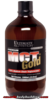
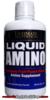
L-Carnitine is a vitamin-like molecule that serves numerous functions in the body. Its main function is to stimulate the breakdown of fats. L-Carnitine is an alpha-hydroxy acid that is primarily located in the muscle. Carnitine is the critical player for the transport of fatty acids into mitochondria. Mitochondria are the powerhouses that produce energy in the cell that the body needs to function properly. The energy is produced when fats are burned in the mitochondria. Since mitochondria need oxygen to burn fat, it follows that supplementation with carnitine ensures adequate supply of oxygen to the muscle. The supply of oxygen becomes extremely important when one exercises. Intense exercise for longer periods of time on a regular basis results in the loss of carnitine. Therefore, carnitine must be replaced in order for the muscle to remain toned and healthy. It should be noted that the muscle needs a regular supply of carnitine in sufficient amounts to remain toned and healthy over the long haul. Also, it should be taken for some time before its beneficial effects apparent. On the average, about 10 to 14 days of carnitine supplementation should suffice to keep the muscle supplied with this nutrient that is central to muscle function. L-Carnitine functions in conjunction with pantothenic acid (vitamin B5). Panthothenic acid is converted to its active form panetheine in the body, which is the fundamental component of coenzyme A (coA). Coenzyme A is involved in the transport of fatty acids into the mitochondria and also to and from cells. Thus, panethenic acid lowers cholesterol and triglycerides levels. Panthethenic acid inhibits cholesterol synthesis and accelerates fatty acid breakdown in the mitochondria, while simultaneously increasing the "good" (HDL) cholesterol. Its lipid-lowering effects are impressive, and combined with its virtually non-existent side effects makes it a viable alternative to conventional lipid-lowering drugs.